
22.52 USD(tax included)
/25.02 USD (Excluding tax)
Sales unit: 1 piece
Application number: / Manufacturer: / Model number: 35534517657 / JAN code: / AS ONE / NAVIS Product number:
Shipping Estimate
USA
- USA
- CAN
- USA
- CAN
Ships within 48 hours · Estimated delivery Oct 25 - Oct 30
Shipping Notes
- Free Standard Shipping on $100+ Orders to the USA.
- Except Preorder products are shipped in 48 hours.
- Delivery to the USA:
- Standard Shipping : 3-10 business days
- If time is of the essence, please consider selecting expedited delivery for faster service.
Exchange/Return Notes
- We offer a 30-day return/exchange service after receiving.
- Final sale items are not eligible for returns or exchanges.
- To process your return/exchange, please contact us at [email protected]
- Please click here for more details>>> Return & Exchange Policy
| Application number | |
|---|---|
| Manufacturer | |
| Model number | 35534517657 |
| JAN code | |
| Sales unit | 1 piece |
| Price | 22.52 USD (tax included) / 25.02 USD (Excluding tax) |
 *Additional shipping fees will be charged for this product in Okinawa Prefecture, remote islands, some other areas, and mountain areas. Please note that we may not be able to deliver depending on the region. If we are unable to deliver your order after placing your order, Askul will contact you.
Please note the following points as this item is directly shipped.
- Additional shipping fees will be charged for this product in Okinawa Prefecture, remote islands, some other areas, and mountain areas. Please note that we may not be able to deliver depending on the region. If we are unable to deliver your order after placing your order, Askul will contact you.
- This product may not come with a delivery note issued by Askul. Customers who wish to receive a delivery note issued by Askul can print it out as a PDF file from the usage history on this site after receiving the product.
- It is not delivered in Askul cardboard or a bag.
- We cannot accept changes, cancellations, returns, or exchanges after the order has been placed due to the customer's convenience.
- If we discover after placing an order that the product cannot be delivered, we may cancel your order.
- If it becomes clear after placing your order that the item is temporarily out of stock, it will be delivered as soon as it becomes available.
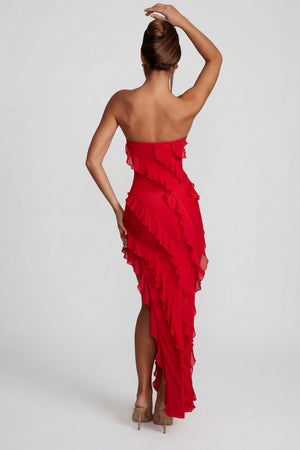
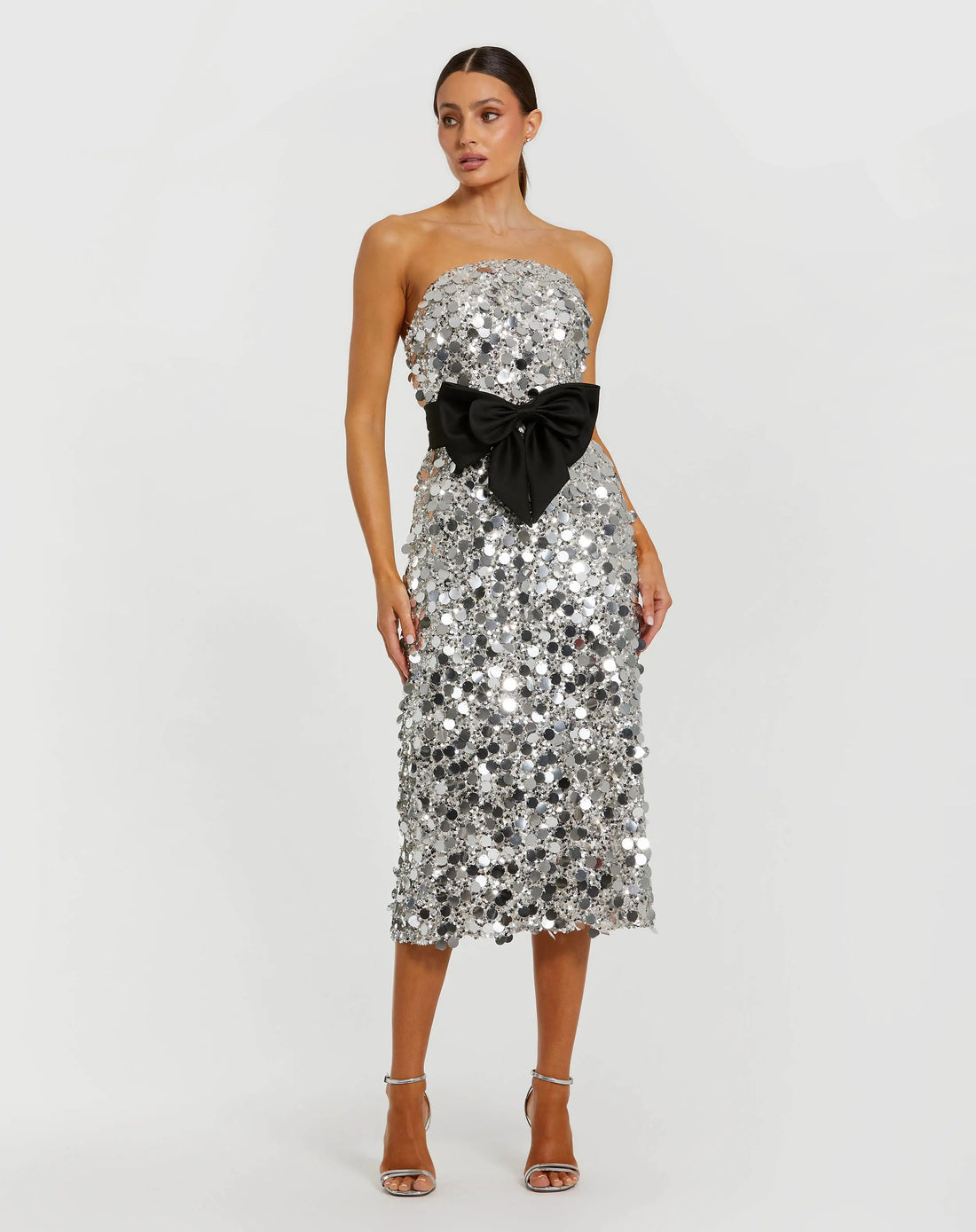
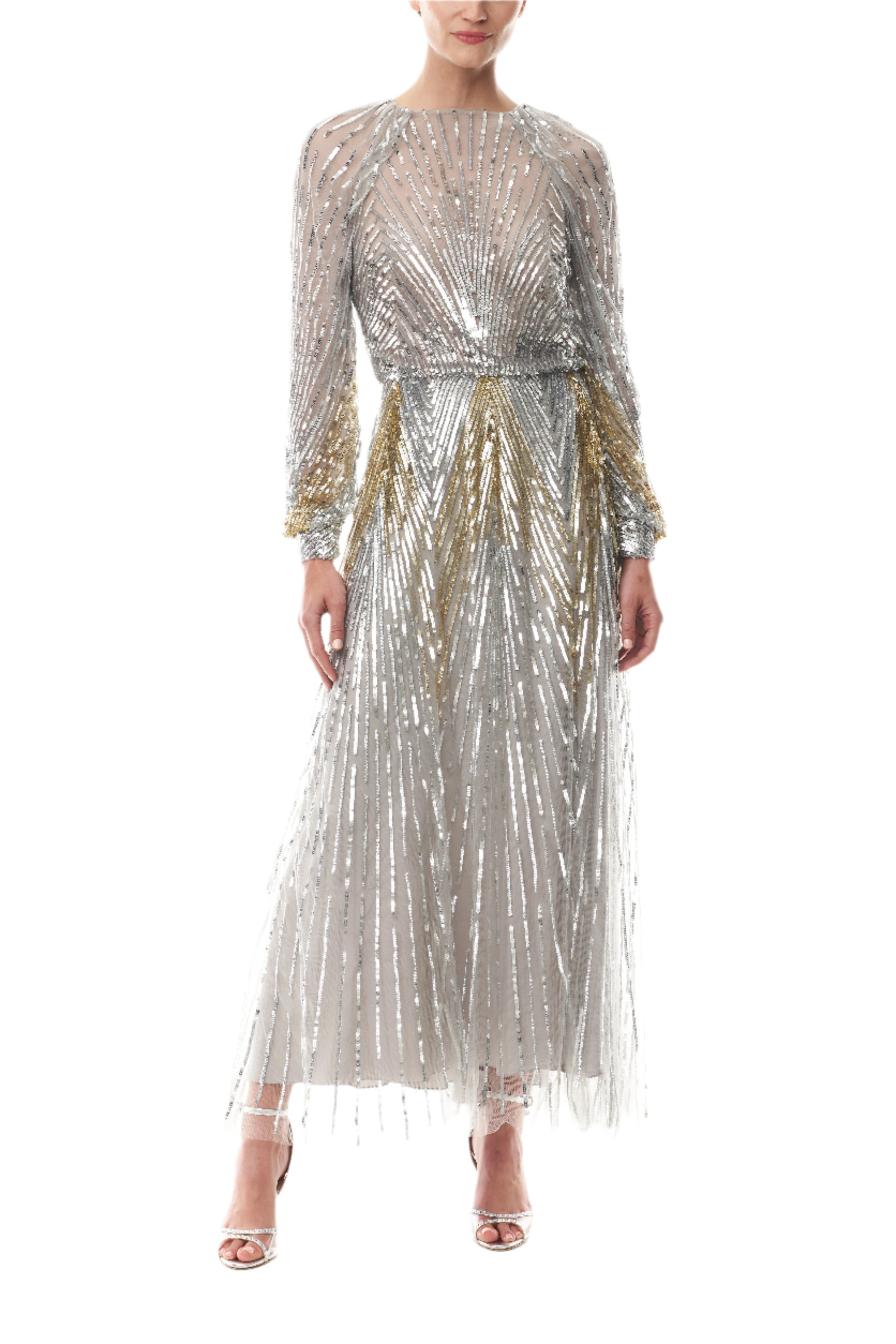
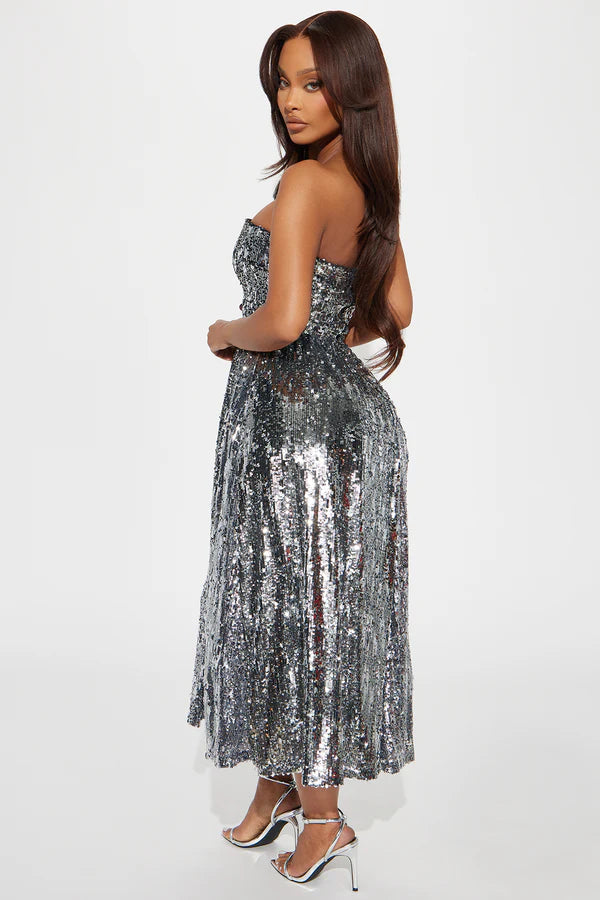
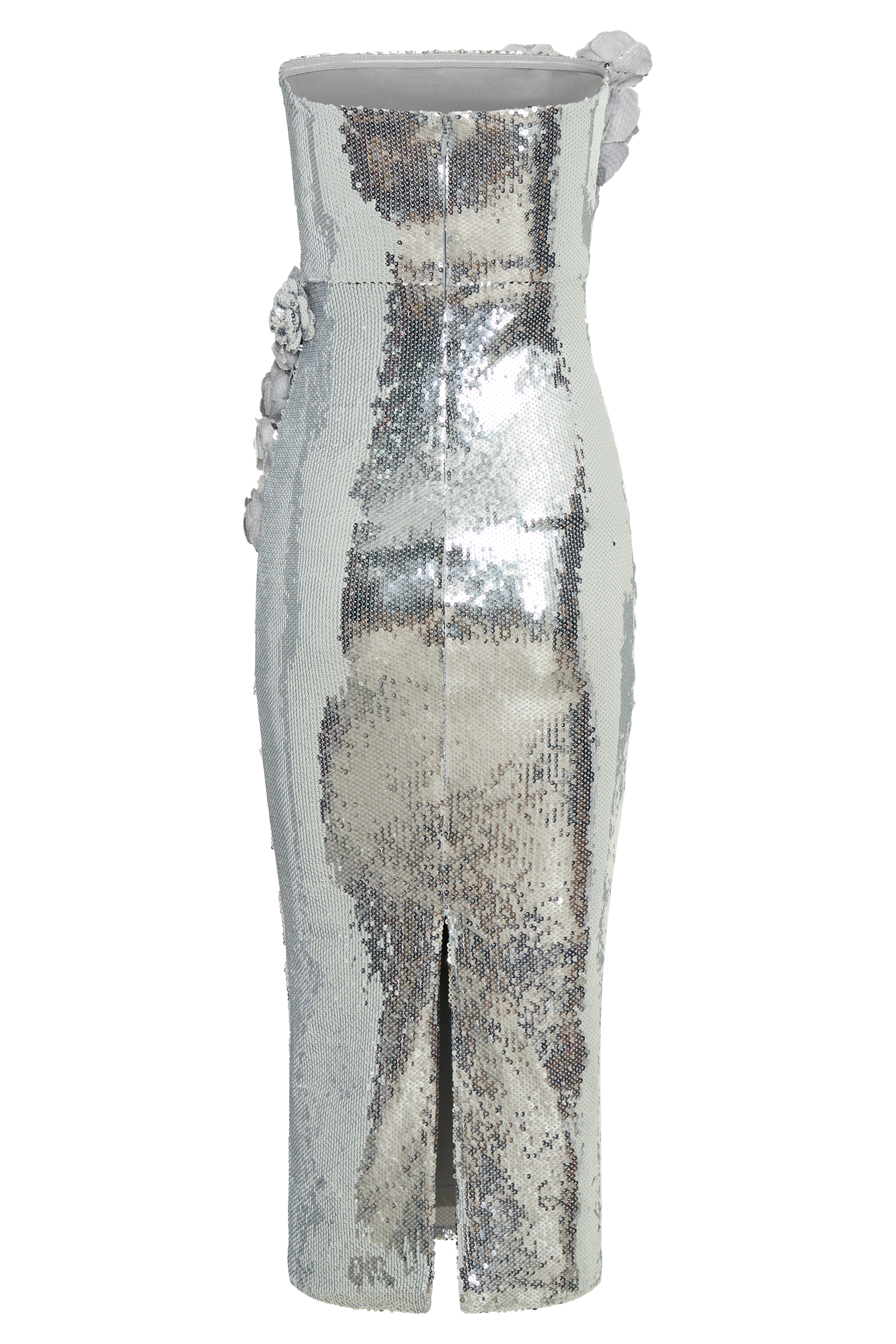
This image is a representative image. Please check the specifications for details.
Stock: Slightly

Displaying inventory at the nearest warehouse. Even if the item is on "backorder", it may be possible to deliver it from another warehouse.
The delivery date is an estimate. Please check the checkout screen for detailed delivery dates.
About delivery date display
 Direct delivery product
Shipping charges for products from this shipping source will be borne by us.
22.52 USD (tax included)
/ 25.02 USD (Excluding tax)
You can easily compare prices, specifications, etc. by arranging the products you want to compare in a table.
Product details

 Print product information

Please note
There are some items that you should be aware of when purchasing, such as special delivery times. The information is listed on the product details screen, so please be sure to check the product details screen before purchasing.

No returns
We cannot accept returns due to customer's convenience.

direct delivery product
This product is delivered directly from the shipping source. It will be delivered separately from general products. The estimated delivery date is displayed on the checkout screen. This product cannot be returned due to customer convenience.
| Product features | Long Sleeve Dresses: Designer Styles on Sale TheDressWarehouse Jocasta Strapless Ric Rac Maxi Dress Blue XL Forest Green Sequin Puff Sleeve Mini Dress Rolla's :: Mara Button Down Denim Midi Dress in Deep Blue Wash Cold Shoulder Dress Black VENUS | ||
|---|---|---|---|
| Manufacturer name | - | Brand name | - |
| remarks | [About returns] We cannot accept returns due to customer's convenience. | ||
| Product details |
Click here for the manufacturer's site
 Easy to find furniture and interiors! Click here for Askul's general furniture TOP page.
Consultation on layout, various construction works, and delivery dates! Click here for the ASKUL office creation service.
Easy to find furniture and interiors! Click here for Askul's general furniture TOP page.
Consultation on layout, various construction works, and delivery dates! Click here for the ASKUL office creation service.
|
||
※Disclaimer
In this service, we strive to display the latest product information on the site, but product standards and specifications (capacity, packaging, raw materials, country of origin, etc.) may change due to manufacturer circumstances. For this reason, the product information displayed on the site may differ from the actual product you receive, so please be sure to check the product label and precautions of the product you receive before use. If you require further product information, please contact the manufacturer. Also, the notation "set" in the sales unit does not guarantee delivery in a box. Thank you for your understanding.
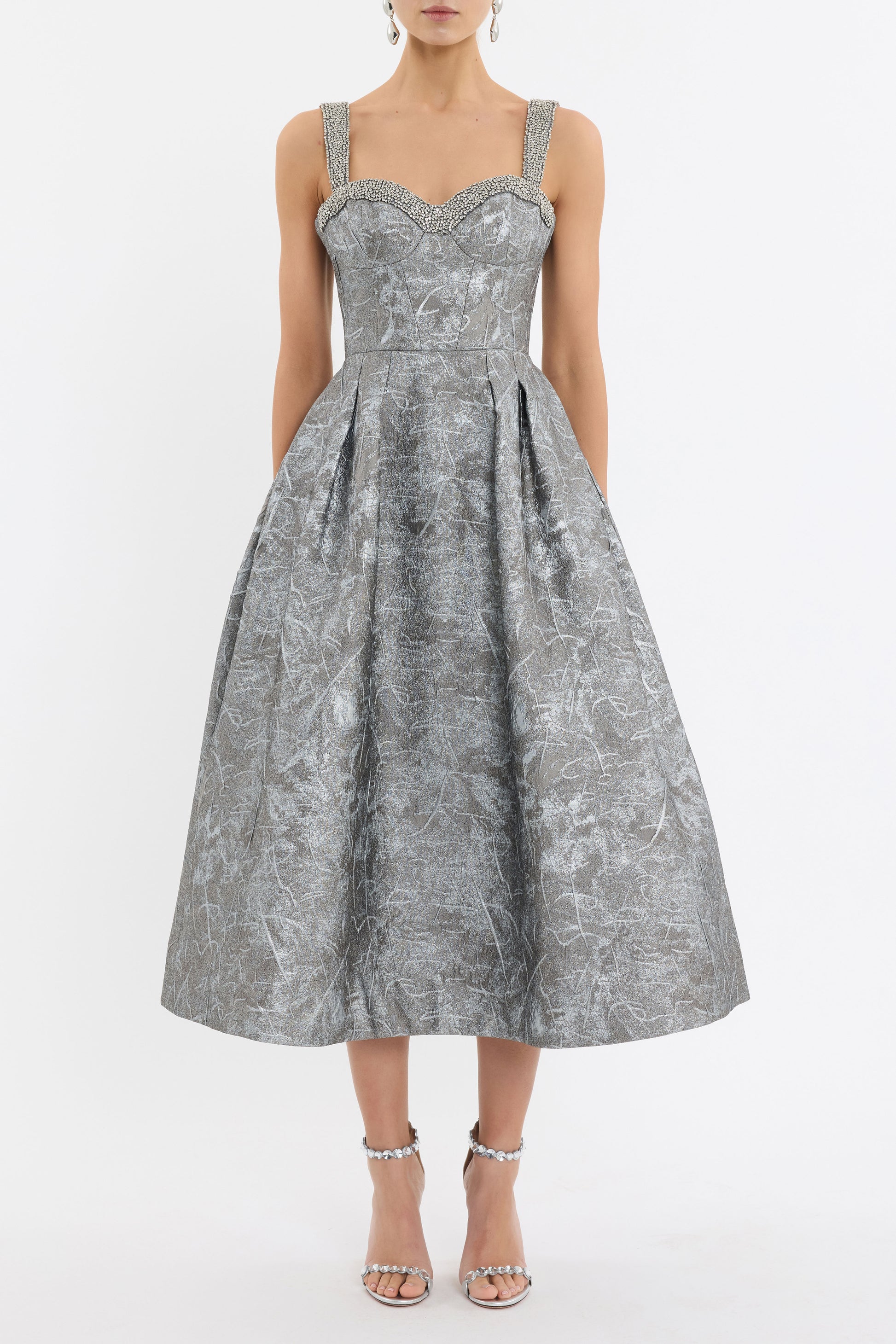
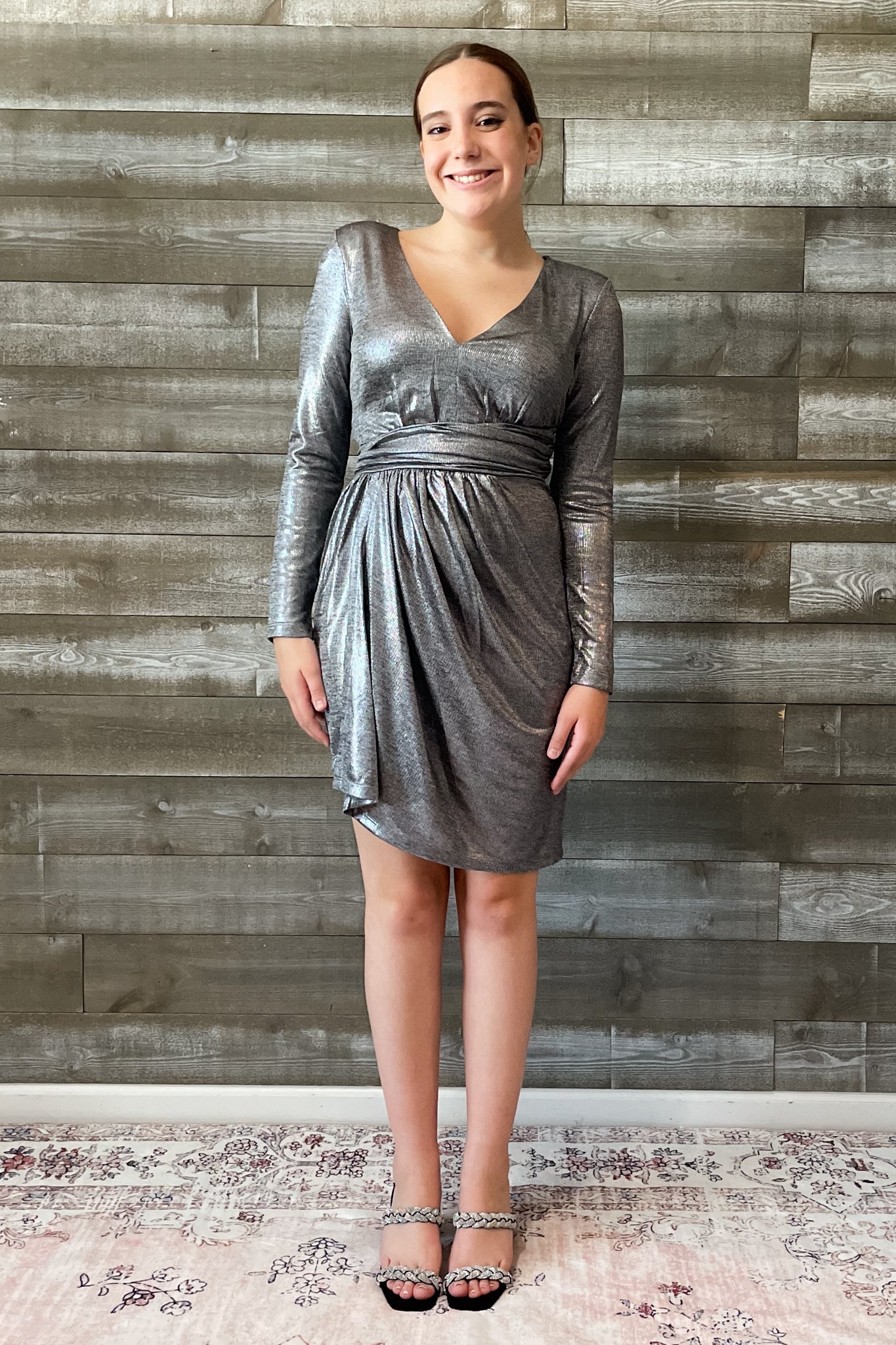
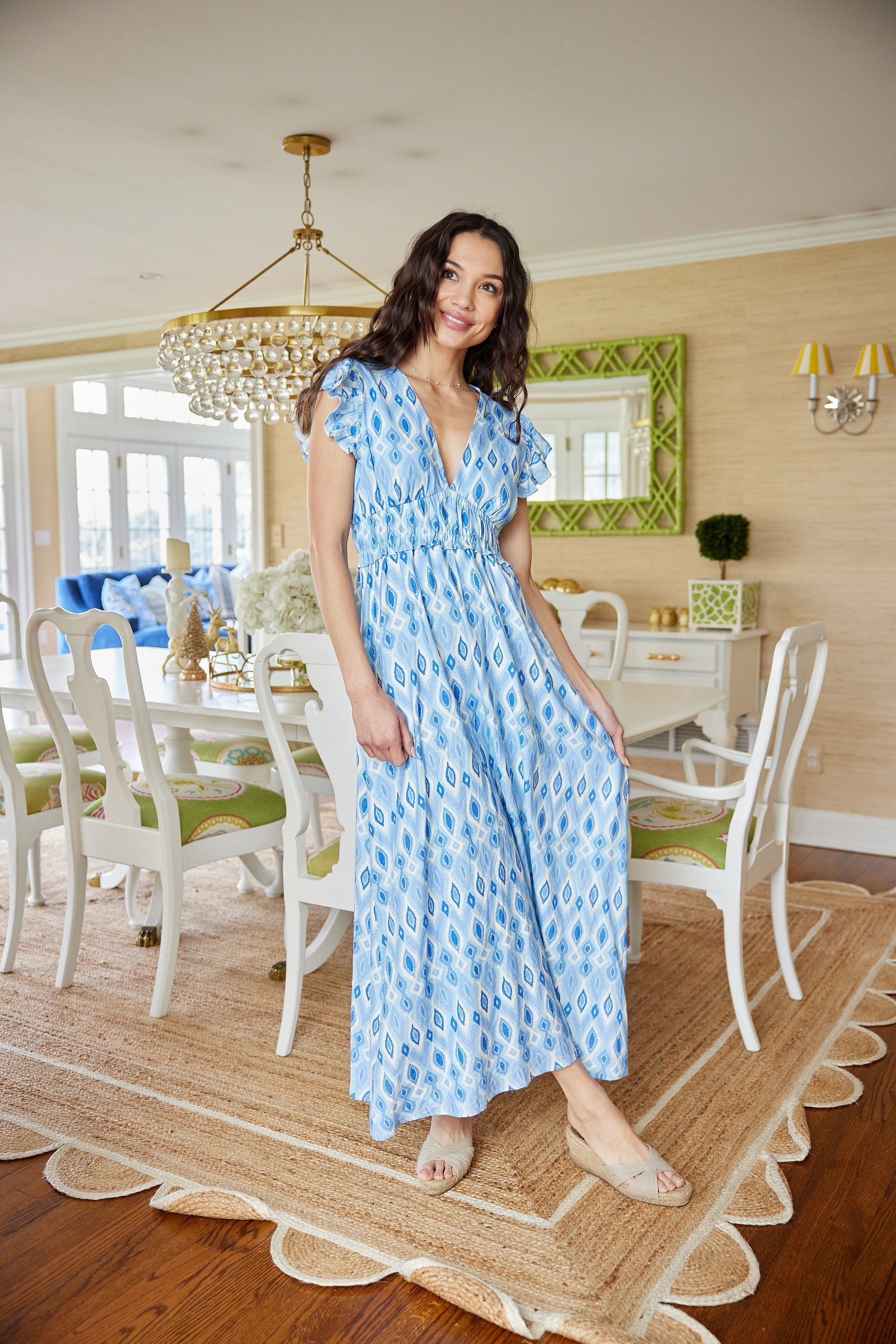
red mesh dress Best Selling Ranking


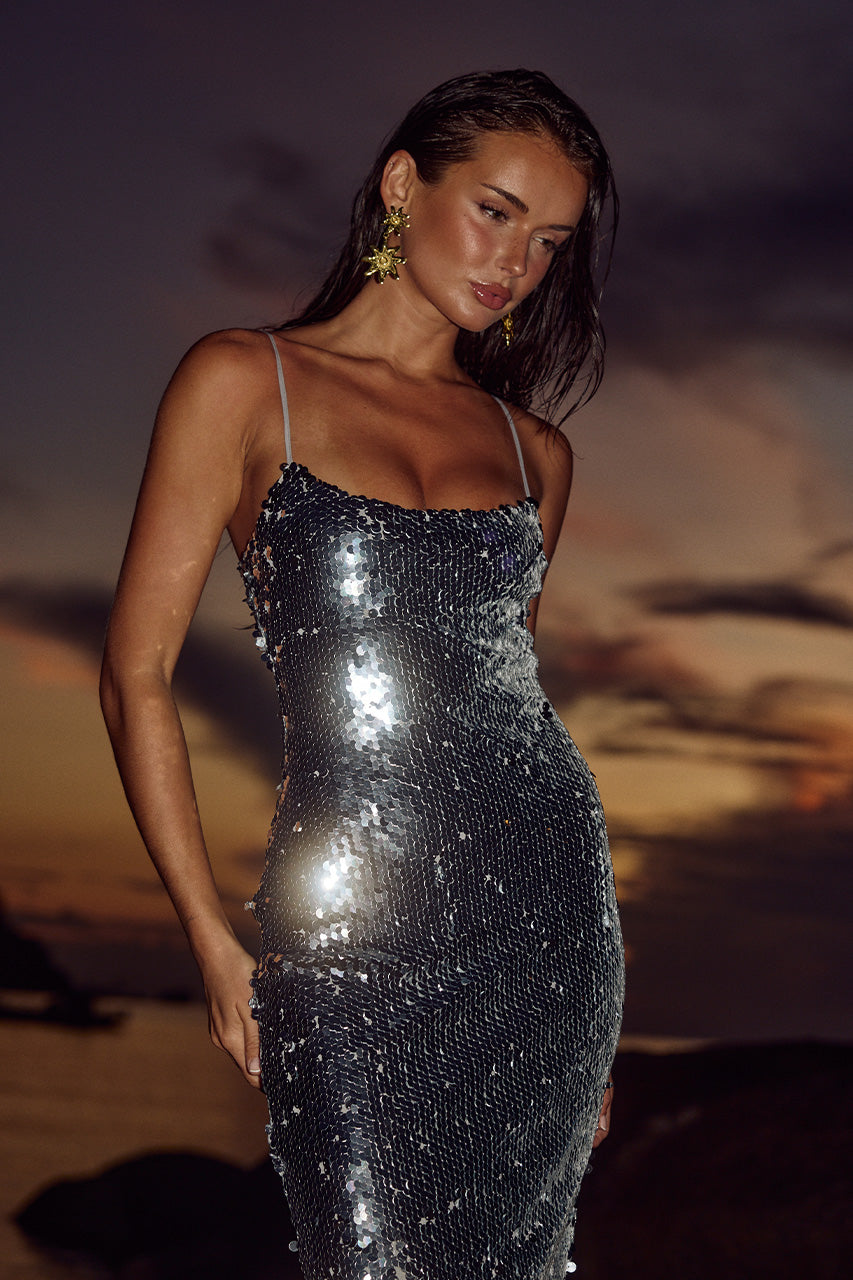
Customer reviews
There are no reviews posted. We look forward to hearing your review comments.
Features related to this product
-
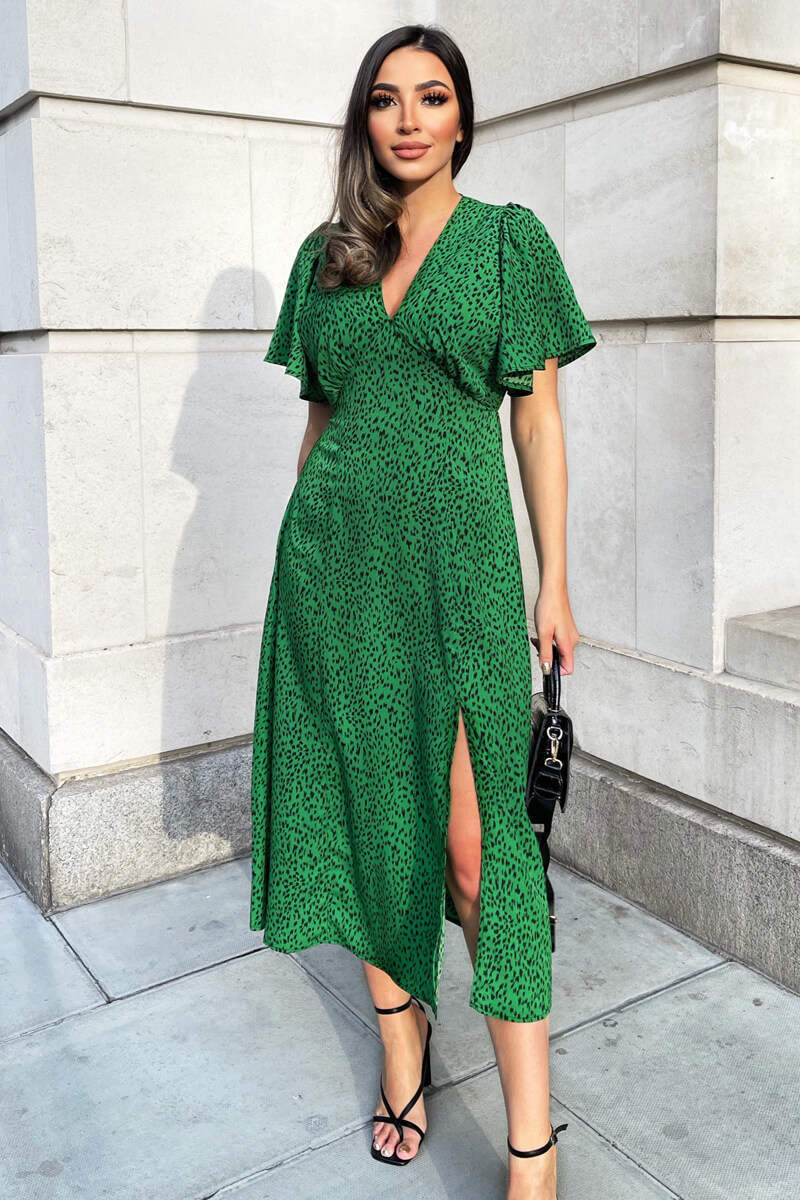
Green Printed V-Neck Short Sleeve Midi Dress 8
-

Adrianna Papell Women's Sequin Detail Floral Column Sleeveless Dress - Silver/Blush Multi
-
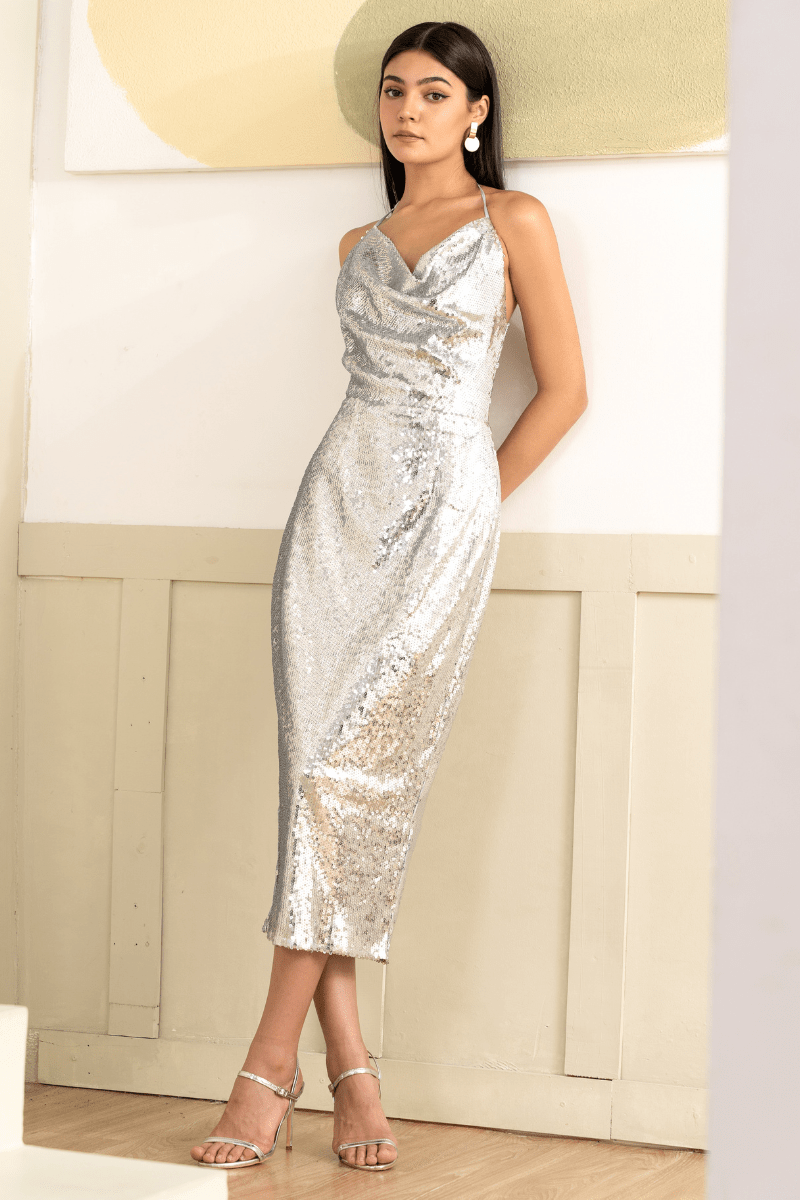
Yumi Kim | Drea SEQUINS Dress | S
-
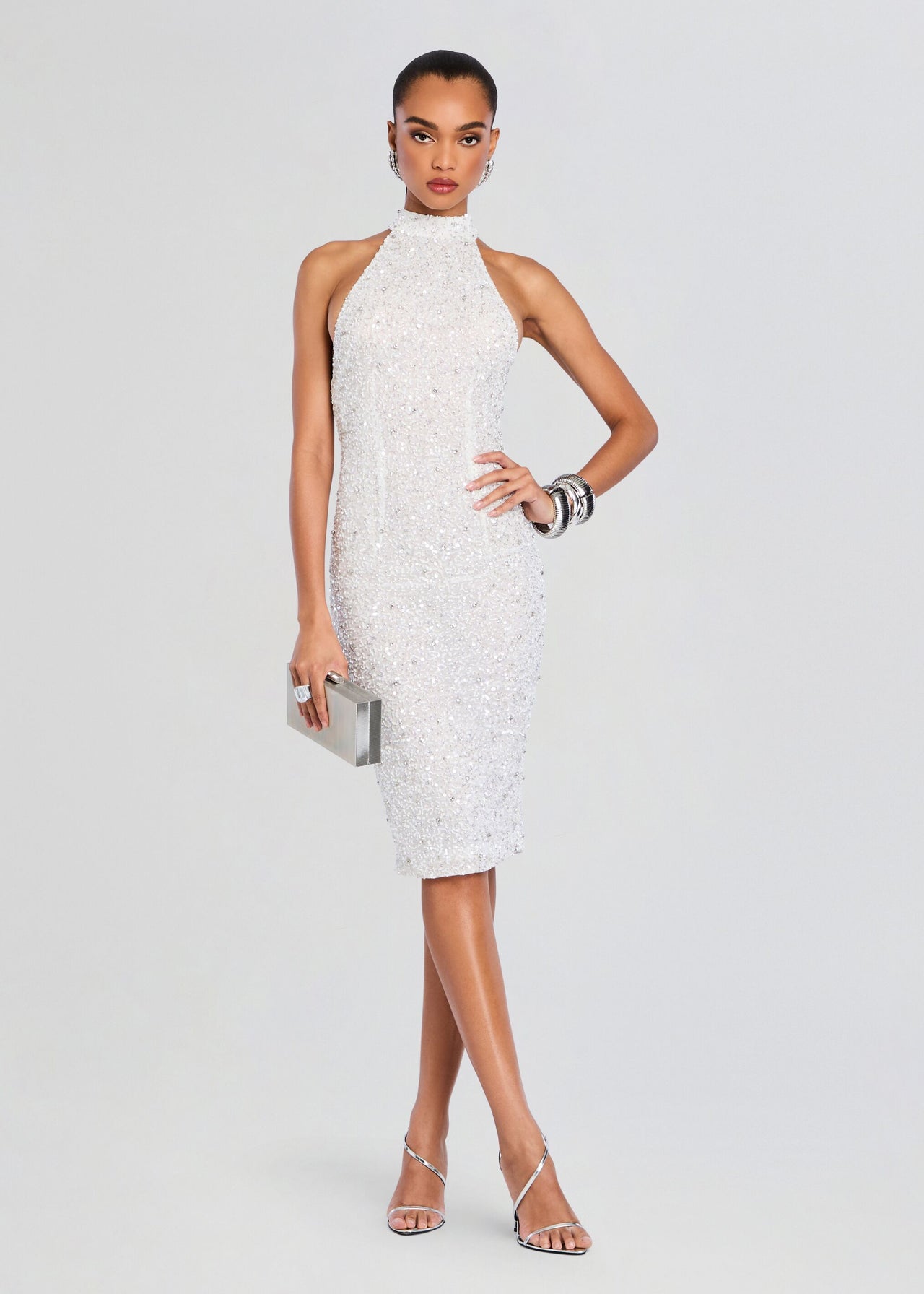
Retrofete
-
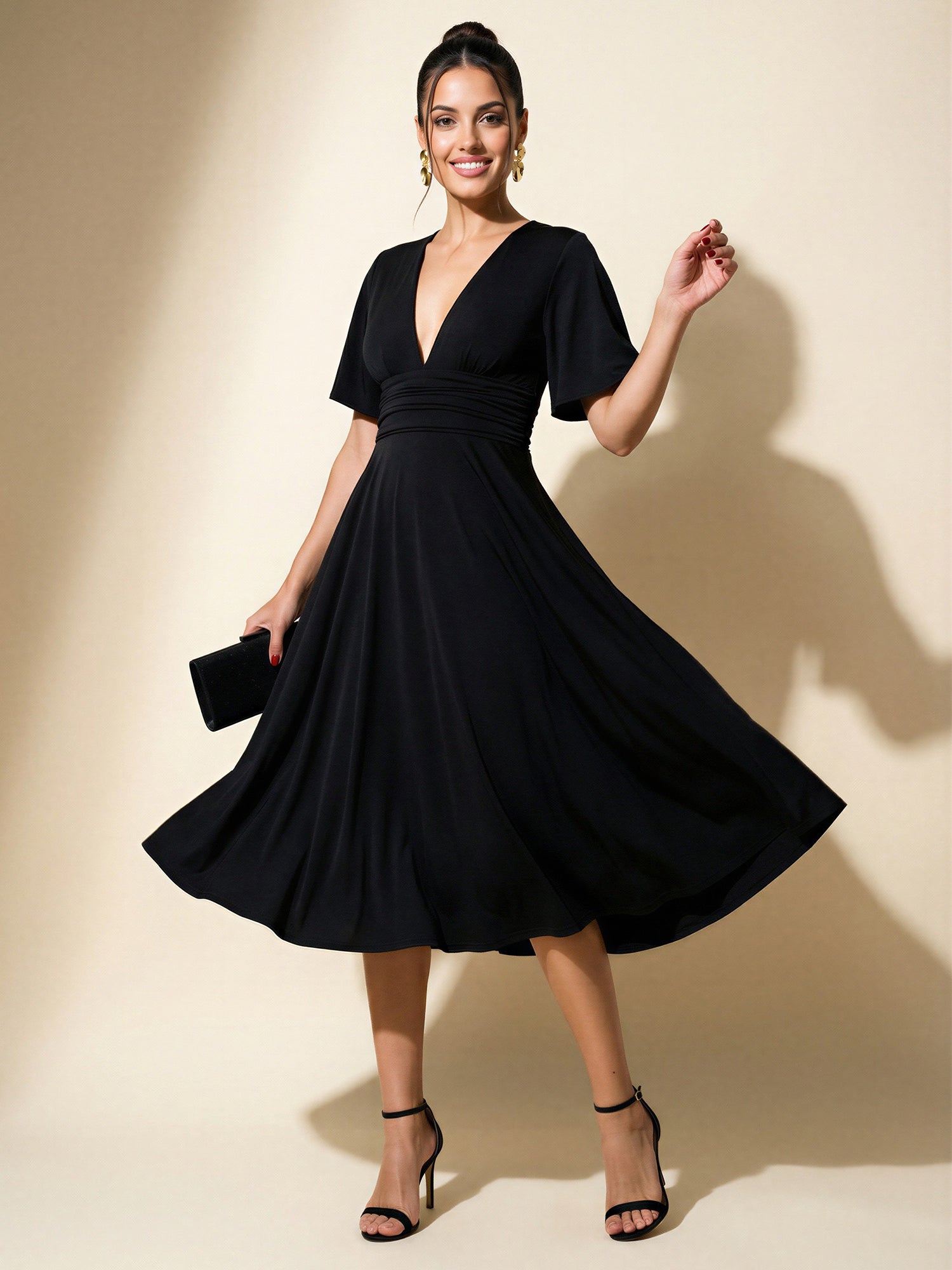
V-Neck Venetian Midi Dress - SMALL / BLUE
-

Donna Karan Women's Sleeveless Beaded Velvet Midi Dress in Weathered SAGE/SILVER
-
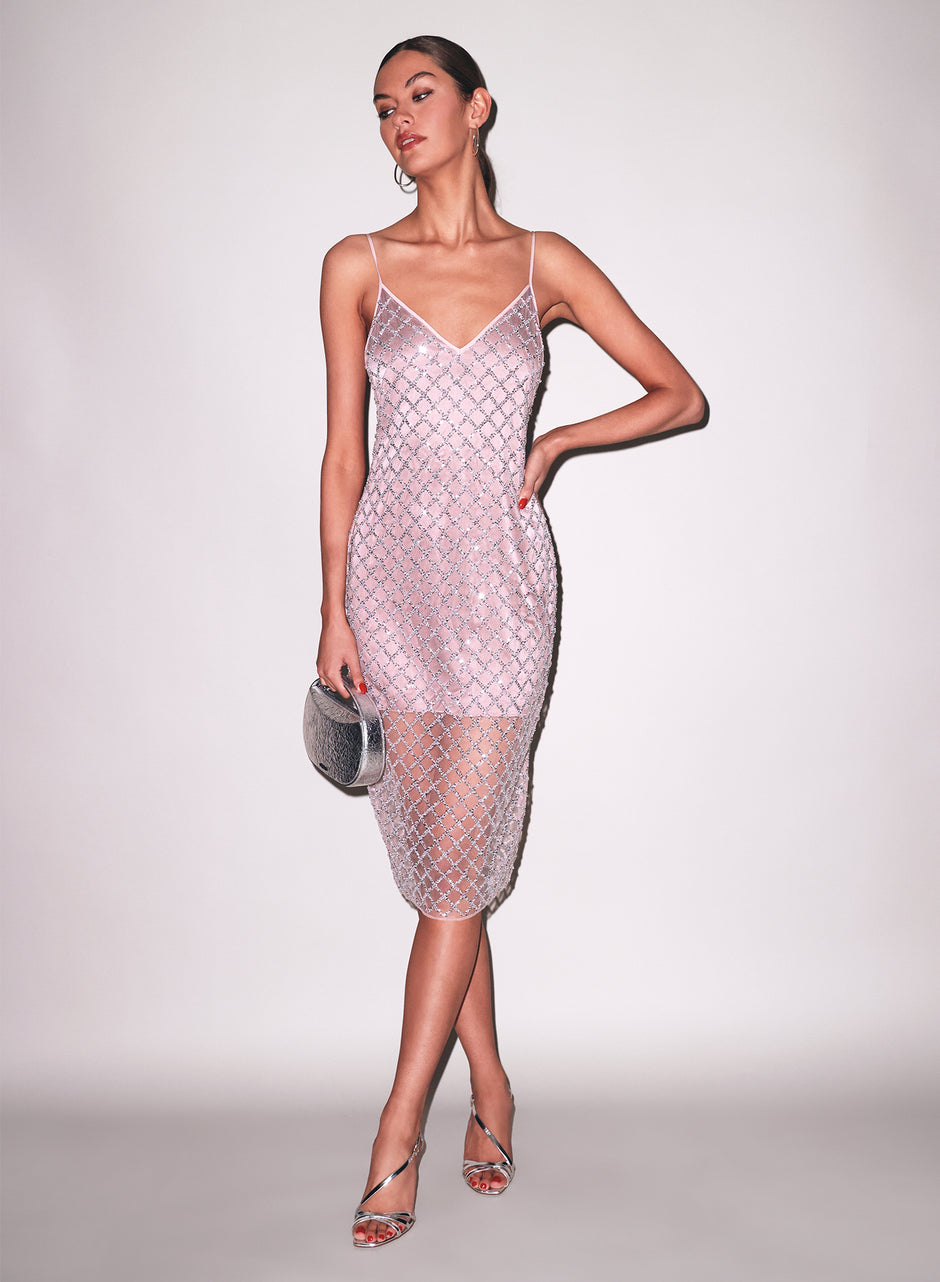
Embellished Midi Dress
-
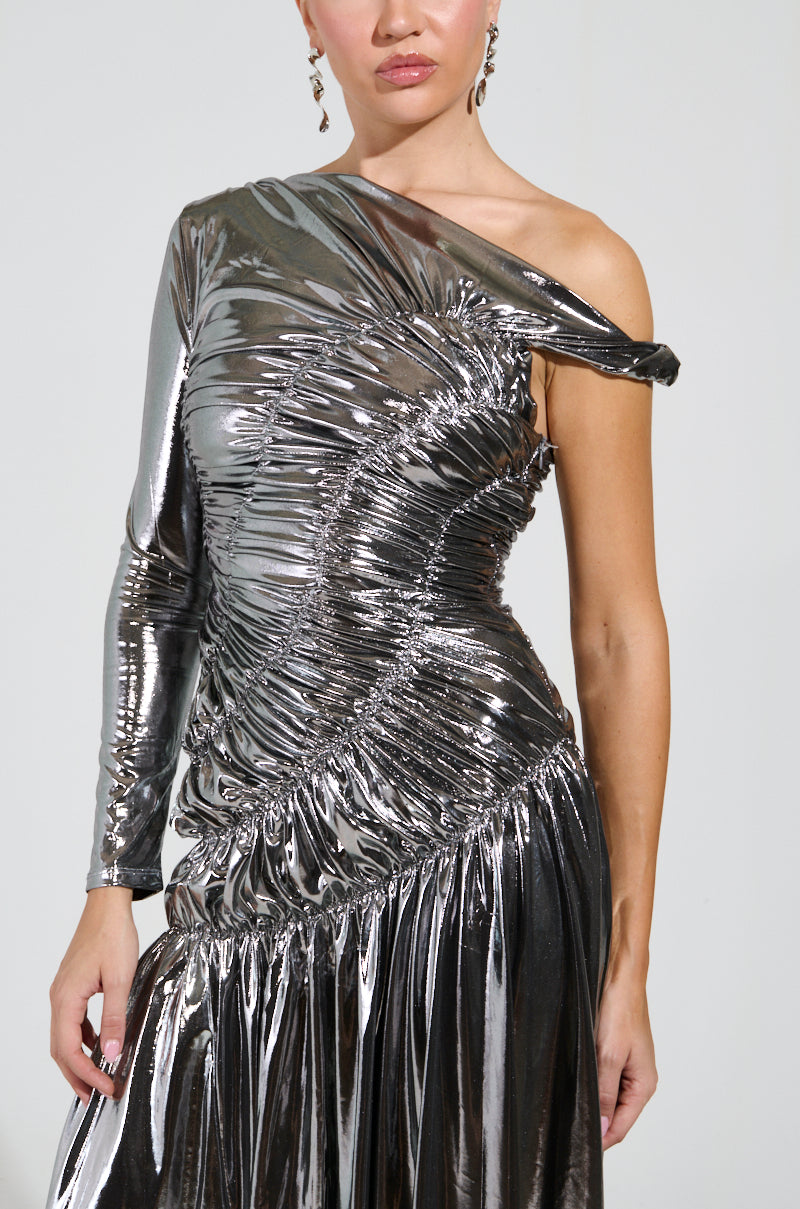
TURN BACK TIME SILVER METALLIC MIDI DRESS – AKIRA
TV/Audio/Camera categories
Hobby/Musical Instruments/Art Categories
Home appliances and air conditioning categories
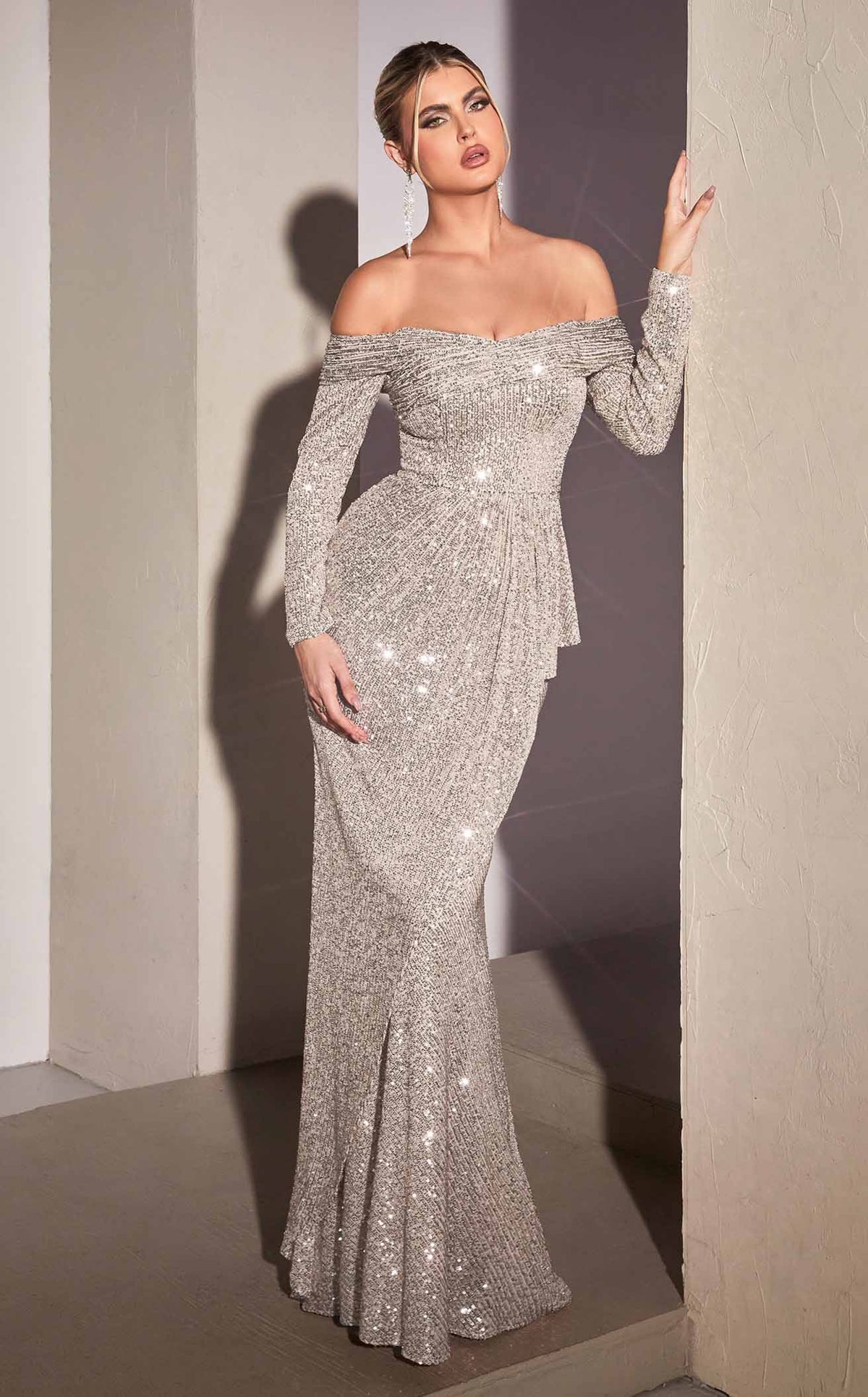

The product has been added to your cart

- Total items
-
piece
- Total Amount
-
(tax included)